Buy apmc.be ?
We are moving the project
apmc.be .
Are you interested in purchasing the domain
apmc.be ?
domain@kv-gmbh.de · 0541-91531010
Buy apmc.be ?
What is the difference between strictly monotonic increasing and monotonic increasing?
Strictly monotonic increasing means that the function is always increasing and never stays the same, while monotonic increasing means that the function is always increasing or staying the same. In other words, a strictly monotonic increasing function will always have a positive slope, while a monotonic increasing function can have a zero slope at certain points. Therefore, strictly monotonic increasing functions are a subset of monotonic increasing functions. **
What is monotonic behavior?
Monotonic behavior refers to a consistent and unidirectional trend in a set of data or a mathematical function. In a monotonic increasing function, the values consistently increase as the input variable increases. Conversely, in a monotonic decreasing function, the values consistently decrease as the input variable increases. Monotonic behavior is important in various fields such as economics, engineering, and mathematics, as it helps in understanding and predicting the behavior of systems and processes. **

Similar search terms for Non-monotonic
Top-Angebote
Products related to Non-monotonic:
-
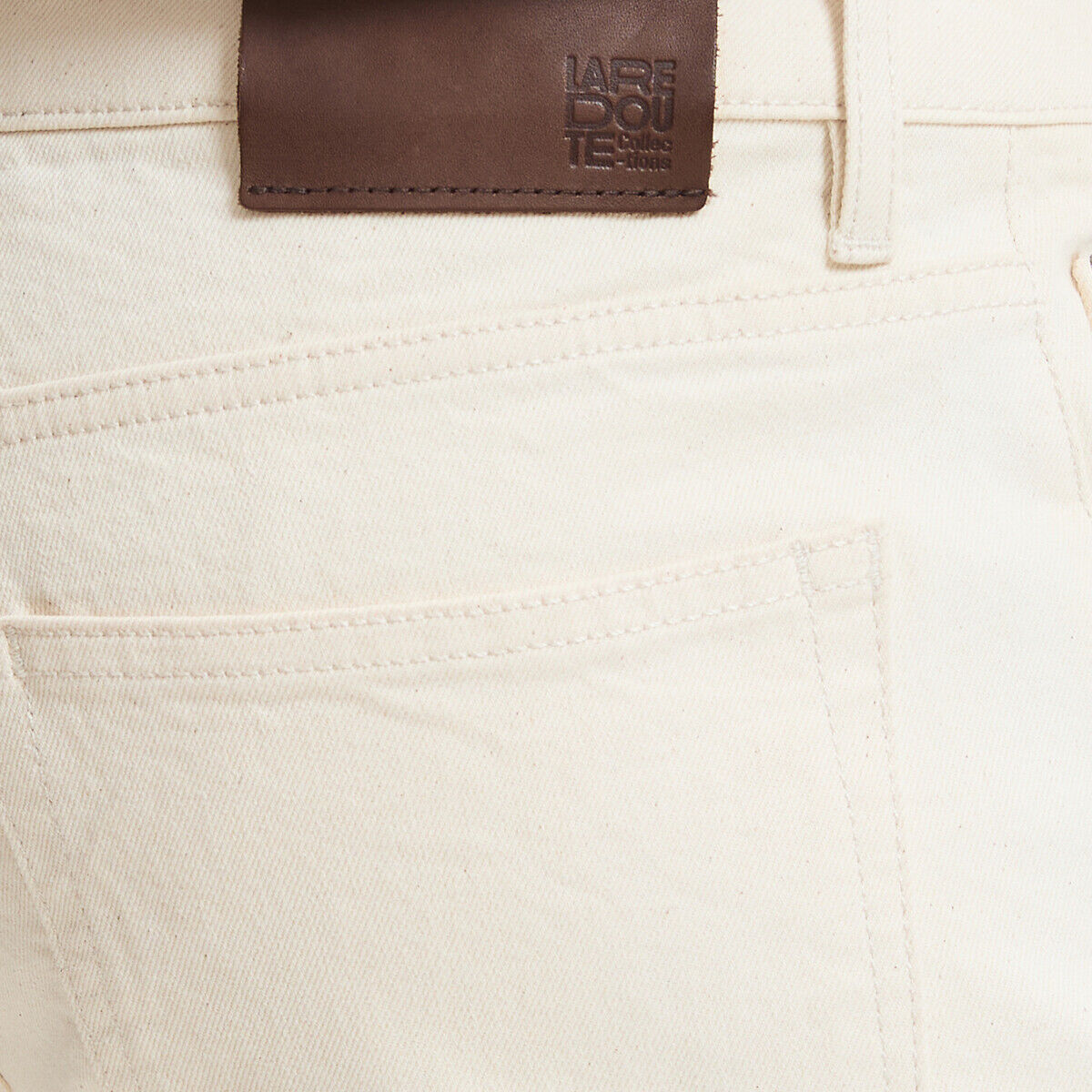
LA REDOUTE COLLECTIONS Jean non teint régularDétails produit • Regular, droit • Taille standard • Coupe 5 poches • Ceinture à passants boutonnée Mesures du produit en taille 40/M • Longueur de l’entrejambe : 81 cm • Largeur du bas : 19,5 cm Composition et Entretien • 98% coton, 2% élasthanne • Température de lavage 40° cycle délicat • Température de repassage moyenne / blanchiment interdit • Séchage en tambour faible • Pas de nettoyage à sec • COTON ISSU DE L'AGRICULTURE BIOLOGIQUE. L’agriculture biologique exclut tous produits chimiques, pesticides, insecticides et OGM. Une production dont l’impact sur la biodiversité est réduit. • DÉLAVAGE ÉCONOME EN EAU. Ce délavage permet de réduire la consommation d’eau utilisée par rapport à un délavage classique.32,49 €*Shipping: 3,99 €Secure redirect to the provider
-
ADIDAS SPORTSWEAR Ensemble en molleton non grattéDétails produit • Veste zippée à capuche • Taille : standard • Pantalon • Taille élastiquée Composition et Entretien • 52% coton, 48% polyester • Pour l'entretien, merci de vous référer aux indications figurant sur l'étiquette du produit52,00 €*Shipping: 3,99 €Secure redirect to the provider
-
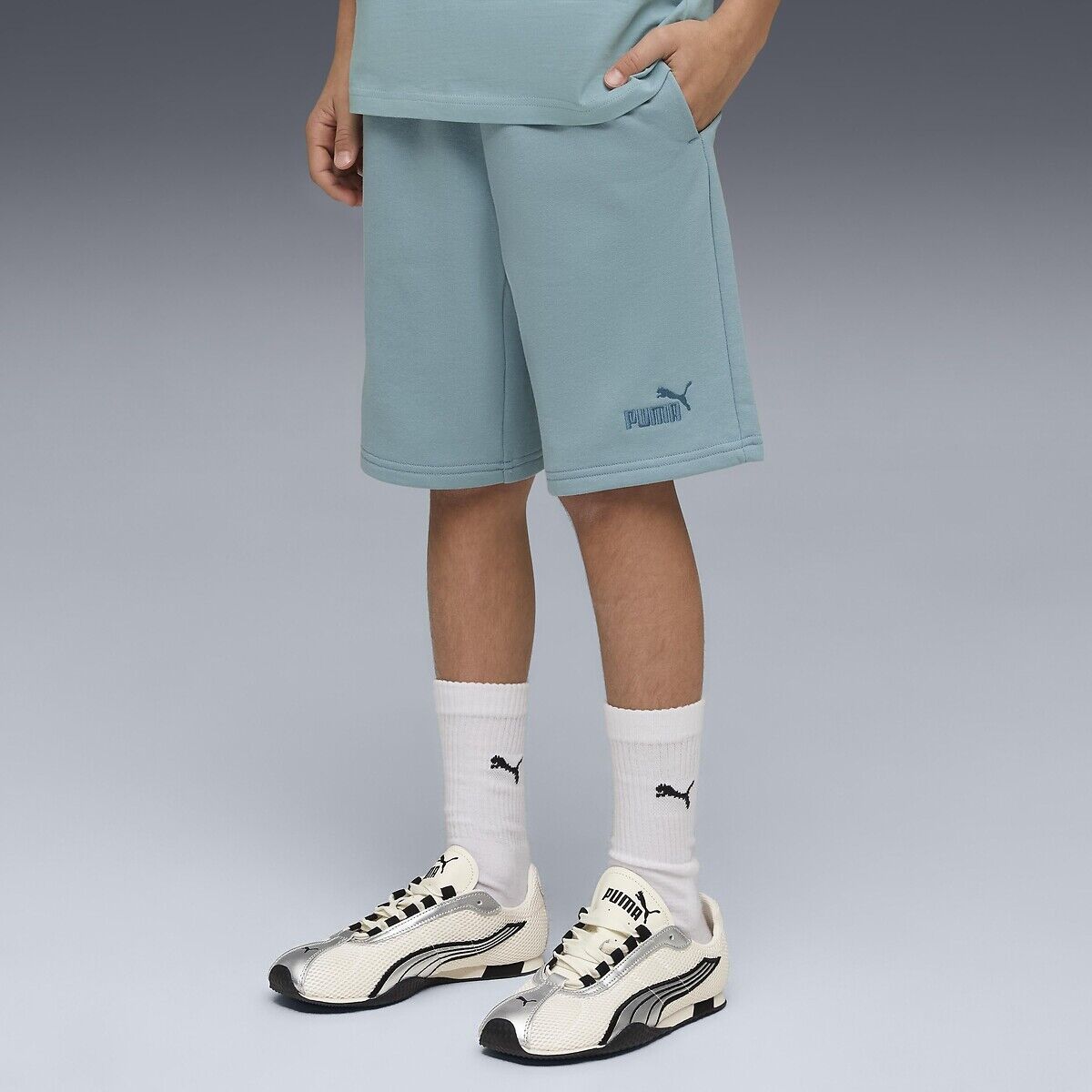
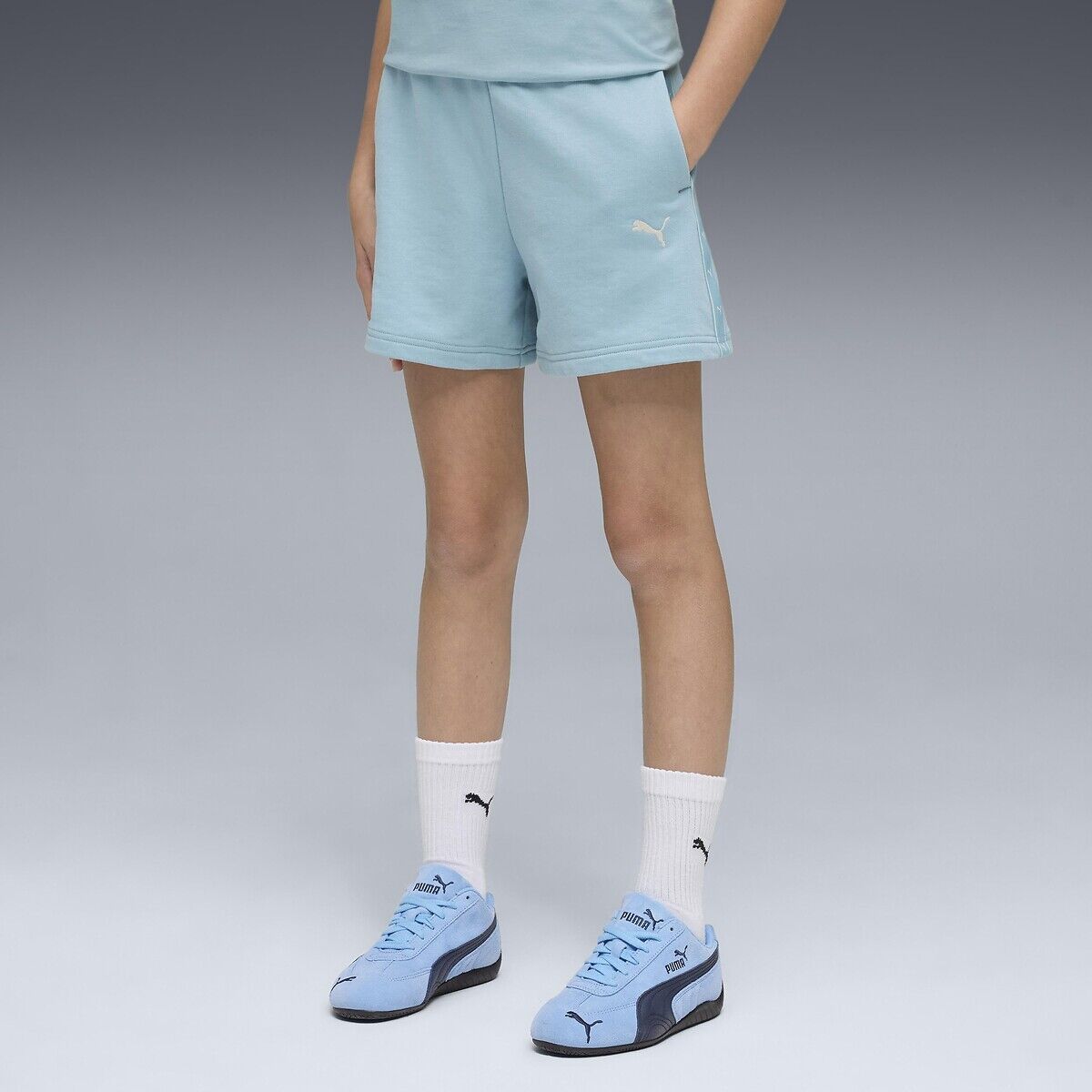
PUMA Short en molleton non grattéDétails produit • Taille : standard • Taille élastiquée Composition et Entretien • 42% coton, 32% polyester, 26% polycoton • Pour l'entretien, merci de vous référer aux indications figurant sur l'étiquette du produit19,60 €*Shipping: 3,99 €Secure redirect to the provider


-
What are fruits, vegetables, and produce?
Fruits are the mature ovaries of flowering plants that contain seeds, such as apples, oranges, and bananas. Vegetables are the edible parts of plants, such as roots, stems, leaves, or flowers, like carrots, broccoli, and lettuce. Produce is a term that encompasses both fruits and vegetables, referring to any fresh fruits and vegetables that are grown for human consumption. **
-
What is the difference between strictly monotonic decreasing/increasing and monotonic increasing/decreasing?
Strictly monotonic decreasing/increasing means that the function is either always decreasing or always increasing, without any flat regions or plateaus. Monotonic decreasing/increasing, on the other hand, allows for flat regions where the function remains constant. In other words, strictly monotonic functions do not have any horizontal sections, while monotonic functions may have horizontal sections. **
-
What is the difference between strictly monotonic increasing/decreasing and monotonic increasing/decreasing?
Strictly monotonic increasing/decreasing means that the function is either always increasing or always decreasing, without any flat regions or plateaus. Monotonic increasing/decreasing, on the other hand, allows for the possibility of flat regions or plateaus where the function remains constant. In other words, strictly monotonic functions do not have any horizontal sections, while monotonic functions may have some. **
-
What is strictly monotonic now?
A function is strictly monotonic if it is either strictly increasing or strictly decreasing. This means that for any two points in the function's domain, the function values at those points are either strictly increasing or strictly decreasing. In other words, the function does not have any plateaus or flat regions where the function values remain constant. **


Is every convergent sequence monotonic?
No, not every convergent sequence is monotonic. A convergent sequence is one that approaches a specific limit as the number of terms in the sequence increases. A monotonic sequence, on the other hand, is one that is either always increasing or always decreasing. While some convergent sequences may be monotonic, there are also convergent sequences that oscillate or have a mix of increasing and decreasing terms as they approach their limit. Therefore, not every convergent sequence is monotonic. **
How do you indicate that a function is strictly increasing or non-monotonic in an interval i?
To indicate that a function is strictly increasing in an interval i, you would show that for any two points a and b in the interval i, where a < b, the function value at a is less than the function value at b, i.e., f(a) < f(b). This would demonstrate that the function is strictly increasing in the interval i. To indicate that a function is non-monotonic in an interval i, you would need to show that there exist points a and b in the interval i, where a < b, such that the function value at a is less than the function value at b, and also points c and d in the interval i, where c < d, such that the function value at c is greater than the function value at d, i.e., f(a) < f(b) and f(c) > f(d). This would demonstrate that the function is non-monotonic in the interval i. **
Top-Angebote
Products related to Non-monotonic:
-
PUMA Short en molleton non grattéDétails produit • Taille : standard • Taille élastiquée Composition et Entretien • 42% coton, 32% polyester, 26% polycoton • Pour l'entretien, merci de vous référer aux indications figurant sur l'étiquette du produit16,10 €*Shipping: 3,99 €Secure redirect to the provider
-
LA REDOUTE COLLECTIONS Jean non teint régularDétails produit • Regular, droit • Taille standard • Coupe 5 poches • Ceinture à passants boutonnée Mesures du produit en taille 40/M • Longueur de l’entrejambe : 81 cm • Largeur du bas : 19,5 cm Composition et Entretien • 98% coton, 2% élasthanne • Température de lavage 40° cycle délicat • Température de repassage moyenne / blanchiment interdit • Séchage en tambour faible • Pas de nettoyage à sec • COTON ISSU DE L'AGRICULTURE BIOLOGIQUE. L’agriculture biologique exclut tous produits chimiques, pesticides, insecticides et OGM. Une production dont l’impact sur la biodiversité est réduit. • DÉLAVAGE ÉCONOME EN EAU. Ce délavage permet de réduire la consommation d’eau utilisée par rapport à un délavage classique.32,49 €*Shipping: 3,99 €Secure redirect to the provider
-
ADIDAS SPORTSWEAR Ensemble en molleton non grattéDétails produit • Veste zippée à capuche • Taille : standard • Pantalon • Taille élastiquée Composition et Entretien • 52% coton, 48% polyester • Pour l'entretien, merci de vous référer aux indications figurant sur l'étiquette du produit52,00 €*Shipping: 3,99 €Secure redirect to the provider
-
What is the difference between strictly monotonic increasing and monotonic increasing?
Strictly monotonic increasing means that the function is always increasing and never stays the same, while monotonic increasing means that the function is always increasing or staying the same. In other words, a strictly monotonic increasing function will always have a positive slope, while a monotonic increasing function can have a zero slope at certain points. Therefore, strictly monotonic increasing functions are a subset of monotonic increasing functions. **
-
What is monotonic behavior?
Monotonic behavior refers to a consistent and unidirectional trend in a set of data or a mathematical function. In a monotonic increasing function, the values consistently increase as the input variable increases. Conversely, in a monotonic decreasing function, the values consistently decrease as the input variable increases. Monotonic behavior is important in various fields such as economics, engineering, and mathematics, as it helps in understanding and predicting the behavior of systems and processes. **
-
What are fruits, vegetables, and produce?
Fruits are the mature ovaries of flowering plants that contain seeds, such as apples, oranges, and bananas. Vegetables are the edible parts of plants, such as roots, stems, leaves, or flowers, like carrots, broccoli, and lettuce. Produce is a term that encompasses both fruits and vegetables, referring to any fresh fruits and vegetables that are grown for human consumption. **
-
What is the difference between strictly monotonic decreasing/increasing and monotonic increasing/decreasing?
Strictly monotonic decreasing/increasing means that the function is either always decreasing or always increasing, without any flat regions or plateaus. Monotonic decreasing/increasing, on the other hand, allows for flat regions where the function remains constant. In other words, strictly monotonic functions do not have any horizontal sections, while monotonic functions may have horizontal sections. **
Similar search terms for Non-monotonic
-
PUMA Short en molleton non grattéDétails produit • Taille : standard • Taille élastiquée Composition et Entretien • 42% coton, 32% polyester, 26% polycoton • Pour l'entretien, merci de vous référer aux indications figurant sur l'étiquette du produit19,60 €*Shipping: 3,99 €Secure redirect to the provider
-
What is the difference between strictly monotonic increasing/decreasing and monotonic increasing/decreasing?
Strictly monotonic increasing/decreasing means that the function is either always increasing or always decreasing, without any flat regions or plateaus. Monotonic increasing/decreasing, on the other hand, allows for the possibility of flat regions or plateaus where the function remains constant. In other words, strictly monotonic functions do not have any horizontal sections, while monotonic functions may have some. **
-
What is strictly monotonic now?
A function is strictly monotonic if it is either strictly increasing or strictly decreasing. This means that for any two points in the function's domain, the function values at those points are either strictly increasing or strictly decreasing. In other words, the function does not have any plateaus or flat regions where the function values remain constant. **
-
Is every convergent sequence monotonic?
No, not every convergent sequence is monotonic. A convergent sequence is one that approaches a specific limit as the number of terms in the sequence increases. A monotonic sequence, on the other hand, is one that is either always increasing or always decreasing. While some convergent sequences may be monotonic, there are also convergent sequences that oscillate or have a mix of increasing and decreasing terms as they approach their limit. Therefore, not every convergent sequence is monotonic. **
-
How do you indicate that a function is strictly increasing or non-monotonic in an interval i?
To indicate that a function is strictly increasing in an interval i, you would show that for any two points a and b in the interval i, where a < b, the function value at a is less than the function value at b, i.e., f(a) < f(b). This would demonstrate that the function is strictly increasing in the interval i. To indicate that a function is non-monotonic in an interval i, you would need to show that there exist points a and b in the interval i, where a < b, such that the function value at a is less than the function value at b, and also points c and d in the interval i, where c < d, such that the function value at c is greater than the function value at d, i.e., f(a) < f(b) and f(c) > f(d). This would demonstrate that the function is non-monotonic in the interval i. **
* All prices are inclusive of VAT and, if applicable, plus shipping costs. The offer information is based on the details provided by the respective shop and is updated through automated processes. Real-time updates do not occur, so deviations can occur in individual cases. ** Note: Parts of this content were created by AI.